Bemba: The Playful Font That Makes Your Handmade Products Sing
I was sitting with a blank label template open, a new candle scent ready, and a familiar creative block. I knew my product was lovely, but the standard fonts I cycled through felt sterile, too perfect. They didn’t capture the warmth of the handmade process. Then I dragged Bemba into the text box, typed the candle’s name, and everything changed. Suddenly, the label wasn’t just informative; it felt personal. The playful, hand-drawn characters danced across the preview, bringing an instant smile and a feeling of genuine craft. That’s the magic of Bemba.
A Hand-Drawn Personality for Your Brand’s Voice
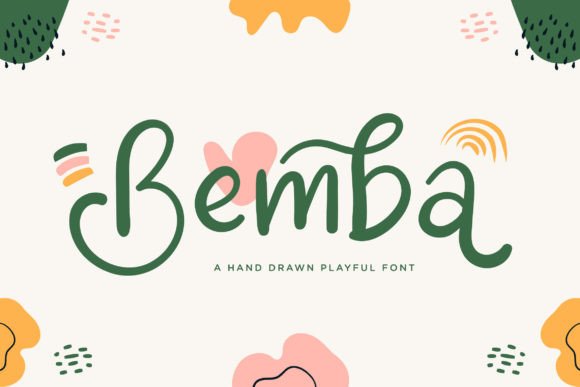
Bemba isn’t just another font. It’s a character. Its charm lies in its intentional imperfection—the varied letter heights, the slightly organic curves, and the overall feeling that it was sketched with a real pen, not plotted by a machine. This visual personality translates directly to mood. It’s friendly, approachable, creative, and a little bit joyful. For makers, this is gold. When your product’s presentation carries this mood, it elevates the perceived quality from simply ‘made’ to ‘lovingly crafted.’ It tells your customer, before they even touch the item, that there’s a human story behind it.
From Candle Labels to Wedding Boards: Real Projects with Bemba
The application for a font like Bemba in the handmade world is vast, but it shines brightest in display use. This means it’s perfect for the elements that need to capture attention and convey personality quickly.
Think about that primary text on your product label—the product name itself. Using Bemba for ‘Vanilla Oak’ or ‘Lemon Verbena’ immediately sets a tone. It works beautifully for boutique hang tags, where a short phrase like ‘Handmade with Care’ or the brand name becomes a memorable signature. For greeting cards, Bemba can turn a simple ‘Happy Birthday’ into a celebratory headline, paired with a clean sans serif for the message inside.
I’ve used it for a rustic ‘Welcome’ sign for a wedding, where the couple’s names in Bemba felt personal and warm against a simple script font for the details. In digital printables, like wall art for a home office, a motivational quote in Bemba feels encouraging and unique. Even on mockups for tote bags or mugs, a short slogan in this font creates an engaging preview that suggests a product with character.
Where Bemba Works Best: Short, Sweet, and Decorative
Given its detailed and playful style, Bemba is ideally suited for short phrases, titles, names, and decorative wording. It’s the star of the show, not the supporting actor. You wouldn’t use it for the lengthy instructions on a packaging insert or the full terms of service on your website. Instead, let it headline your wedding invitations, accent your planner page headers, or become the defining text on a set of stickers. For product labels, use it for the hero text—the product name—and then pair it with a more readable, simple serif or sans serif font for the smaller details like weight, ingredients, or care instructions. This creates a perfect hierarchy: personality first, practicality second.
Practical Considerations for Makers and Sellers
When you’re moving from a digital design to a physical product, a few practical tips ensure Bemba looks its best.
For cutting machines like Cricut or Silhouette, always test a small cut-out first, especially with intricate fonts. Bemba’s style is generally robust, but checking how fine details like the lowercase ‘a’ or ‘e’ translate to vinyl or cardstock is wise. For small stickers or tags, ensure your text size is large enough that the charming details don’t become lost or blurry when printed. A quick test print on your home printer is invaluable.
Font pairing is crucial for balanced designs. Bemba’s playful energy is often beautifully grounded by a very clean, modern sans serif. Think of fonts like a calm, neutral backdrop that lets Bemba shine. A simple serif can also work for a more classic feel. Avoid pairing it with another overly decorative handwritten font, as they will compete and create visual clutter.
The Essential Step: Understanding Your Font License
Before you sell a single product featuring Bemba, the most important step is to check its commercial licensing. Most font purchases for makers include a commercial license that allows you to use the font on physical products you sell (like candles, shirts, or cards) and in digital downloadable files (like printable art or templates). However, you must verify this. Look at the font’s included file formats (OTF, TTF are common) and any documentation about multilingual support, alternates, or ligatures. These extras can add even more flexibility to your designs. Knowing your license gives you the confidence to build your brand identity around this wonderful creative asset.
Bringing Consistency and Recognition to Your Shop
Using a distinctive font like Bemba consistently across your shop materials—from your product labels to your packaging tape, your social media graphics to your thank-you cards—builds powerful brand consistency. Customers begin to recognize your style. That playful ‘B’ on your logo, the same font on your new spring collection tags, it all ties together. This doesn’t mean using it on everything, but making it your signature for headlines and key elements creates a cohesive, professional-looking shop identity that feels both creative and trustworthy.
In the end, choosing a font is about choosing a voice for your work. Bemba offers a voice that is warm, creative, and full of life. It turns a simple label into a story, a card into a gesture, and a product into a piece of personality. It’s the detail that makes your handmade creation not just another item, but a genuine expression of your craft.